
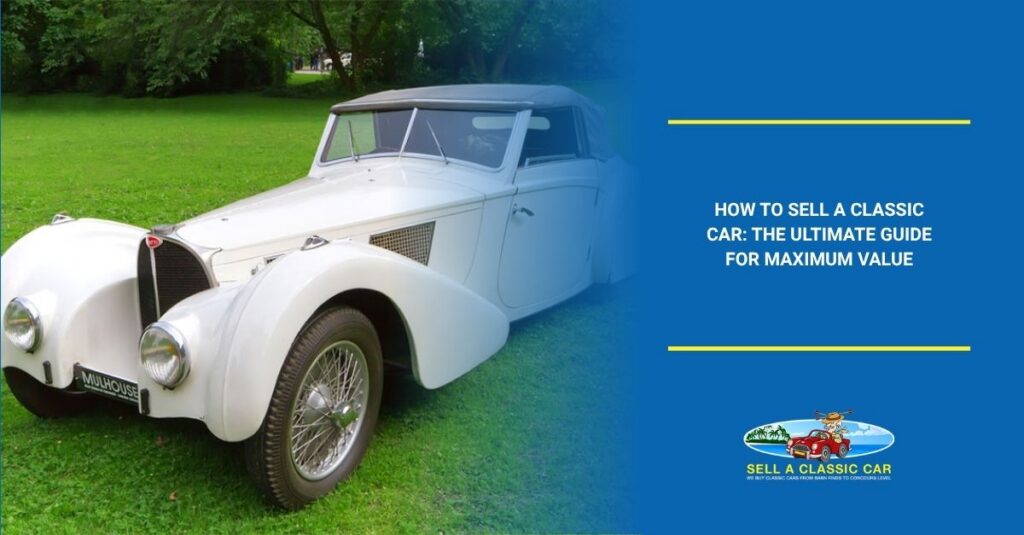
What is the best way to sell a classic car for maximum value?
In terms of how to sell a classic car for maximum value, it requires a 5-step strategy: 1) Obtain an objective valuation using Hagerty Condition Standards (#1 Concours to #4 Fair) and recent auction comps; 2) Compile complete provenance (matching-numbers verification, build sheets, ownership chain); 3) Create a 50+ photo inspection portfolio (including undercarriage and VIN stampings); 4) Select the optimal sales channel (Direct Dealer Purchase, Consignment, Auction, or Private Sale); and 5) Require a bank-verified wire transfer before releasing the vehicle or title.
How to Sell a Classic Car: Sales Channels Comparison Matrix
| Sales Channel | Net Payout Potential | Time to Cash | Associated Fees & Premiums | Seller Risk & Effort Profile |
| Direct Licensed Dealer Purchase | High & Guaranteed | Immediate (24–48 Hours) | $0 Fees (Dealer pays shipping & title fees) | Zero Risk. Immediate bank wire; dealer handles 100% of transport & DMV paperwork. |
| Classic Car Consignment | High (Market Dependent) | 30 to 90 Days | 10% – 15% Commission + Showroom/Detailing fees | Low Effort. Vehicle stored in private showroom; dealer manages negotiations & test drives. |
| Public Live / Online Auction | Highly Variable (Uncertain) | 14 to 45 Days | 5% – 10% Seller Fee + 10% Buyer Premium + Reserve fees | High Risk. Non-refundable insertion fees; risk of reserve not being met; shipping delays. |
| Private Online Marketplace | High (If buyer found) | Weeks to Months | $0 – $50 Listing Fees | Extreme Effort & Risk. High exposure to tire-kickers, payment fraud, and private test drives. |
How Do You Determine the Accurate Market Value of a Classic Car?
Classic automobile valuations do not follow standard depreciating formulas used for everyday used cars. Pricing shifts based on production rarity, historical significance, matching-numbers provenance, and regional market trends.
Leveraging industry appraisal databases, recent Bring-a-Trailer/Mecum auction results, and Hagerty Condition Grading Metrics prevents mispricing:
- Hagerty #1 (Concours Grade): Pristine condition vehicles that are either original survivors or flawless, museum-quality restorations competing in top-tier car shows (Pebble Beach, Amelia Island).
- Hagerty #2 (Excellent Condition): Exceptionally clean automobiles that run perfectly and display no major cosmetic or mechanical flaws. Correct period parts and factory finishes throughout.
- Hagerty #3 (Good Condition): Highly presentable drivers featuring minor cosmetic wear, correct period parts, and solid mechanical soundness. Ideal for local weekend rallies.
- Hagerty #4 (Fair Condition): Complete vehicles running under their own power that require cosmetic attention, rust repair, or mechanical overhauling.
High-Value Valuation Metrics
Cars preserving matching-numbers drivetrains (original engine block and transmission serial numbers matching the chassis VIN), authentic Fender Tag/Cowl Tag stampings, and original factory trim codes command 20% to 50%+ market premiums over non-matching re-creations or modified restomods.
What Documentation Is Needed to Prove Classic Car Provenance?
Complete documentation eliminates buyer hesitation during price negotiations. Serious collectors demand a verified paper trail confirming original specs, service schedules, and continuous ownership history.
Essential Provenance Checklist
- Factory Authentication: Original factory build sheets, window stickers, dealer invoice receipts, and Marque Registry Certificates (e.g., Porsche Certificate of Authenticity, Marti Report for Fords).
- Maintenance & Overhaul Logs: Historical service receipts, engine rebuild documentation, and component overhaul logs.
- Restoration Documentation: Itemized receipts and photo logs detailing bodywork, metal fabrication, paint codes, and interior upholstery work.
- Title & Ownership Continuity: Clear title records establishing a verifiable chain of ownership without gaps, liens, or estate disputes.
How to Prepare a High-Transparency Photographic Portfolio
Online buyers and global collectors expect complete visual transparency before issuing high-value firm offers. A comprehensive photographic package should include at least 50 to 100 high-resolution images:
- Exterior Quadrants & Panel Gaps: Tight angles showing body panel alignment, door gaps, chrome trim condition, and paint depth/reflection.
- Interior Detail: Close-ups of the instrument cluster, dash pad, original steering wheel, headliner, seat bolsters, and pedal wear.
- Engine Bay Stampings: Clear photographs of engine block serial numbers, VIN plates, cowl tags, carburetor codes, and radiator aprons.
- Undercarriage & Chassis Inspection: Detailed shots showing floor pans, frame rails, suspension pickup points, rocker panels, and rust-prone trunk drop-offs.
- Imperfection Disclosure: Clear images highlighting minor paint chips, trim blemishes, or mechanical weeping to build immediate trust and avoid post-sale disputes.
Direct Dealer Cash Purchase vs. Consignment vs. Auction
Choosing the correct sales venue depends on your timeline, privacy requirements, and net payout expectations.
1. Direct Cash Buyer (Ideal for Speed & Security)
Selling to a dedicated, licensed classic car dealer offers immediate liquidation. The buyer issues a direct, non-reversible bank wire, handles all 50-state DMV transfer paperwork, and manages professional enclosed transport directly from your garage.
2. Classic Car Consignment (Ideal for Maximum Showroom Value)
Consignment places your vehicle inside a climate-controlled showroom and markets it to private collector databases. The consignment company manages negotiations and paperwork while taking a 10%–15% commission upon sale.
3. Public Auctions (High Volatility)
Live or online auctions create competitive bidding but introduce risk. Sellers face non-refundable insertion fees, strict reserve limits, buyer payment defaults, and public price exposure if the car fails to sell.
How to Securely Finalize Payment and Arrange Enclosed Transport
Releasing a classic vehicle before funds are fully cleared leaves sellers vulnerable to financial fraud.
- Direct Federal Reserve Wire (FEDWIRE/SWIFT): Never accept unverified cashier’s checks, personal checks, or third-party digital app transfers. Verify that the incoming wire has fully settled into your bank account via your branch manager before signing over the title.
- “As-Is” Bill of Sale Execution: Draft a legally binding Bill of Sale featuring an explicit “As-Is, Where-Is” clause to protect against post-sale mechanical claims.
- Insured Enclosed Auto Transport: Out-of-state and international buyers should always utilize soft-tie enclosed transport carriers to protect vintage paint and low-clearance chassis from road debris and weather during transit.
Frequently Asked Questions About How to Sell a Classic Car
Q: What is the safest way to accept payment when selling a classic car?
A: The safest payment method is a direct bank-to-bank wire transfer (FEDWIRE or SWIFT). Never release the vehicle, title, or keys until your receiving bank officer explicitly confirms that the funds have fully cleared and settled into your account. If you’re curious, these are the cars we want to buy.
Q: How do matching numbers affect a classic car’s value?
A: A “matching numbers” classic car, where the engine, transmission, and chassis serial numbers match factory build records, typically commands a 20% to 50%+ premium over cars with replacement engines or non-original drivetrains.
Q: Do I need a clean title to sell a classic car out-of-state?
A: Yes. Out-of-state buyers and transport carriers require a clear Certificate of Title without active liens or ownership disputes. Licensed classic car dealers can assist in resolving missing titles or complex estate paperwork.
Q: What is the difference between Hagerty Condition #1 and #2?
A: A Hagerty #1 (Concours) vehicle is a flawless original or museum-grade restoration designed for top-tier competition. A Hagerty #2 (Excellent) vehicle is an exceptionally clean, well-maintained driver with correct parts that displays no major cosmetic or mechanical flaws but is driven short distances. If you have more questions about how to sell a classic car, reach out.