
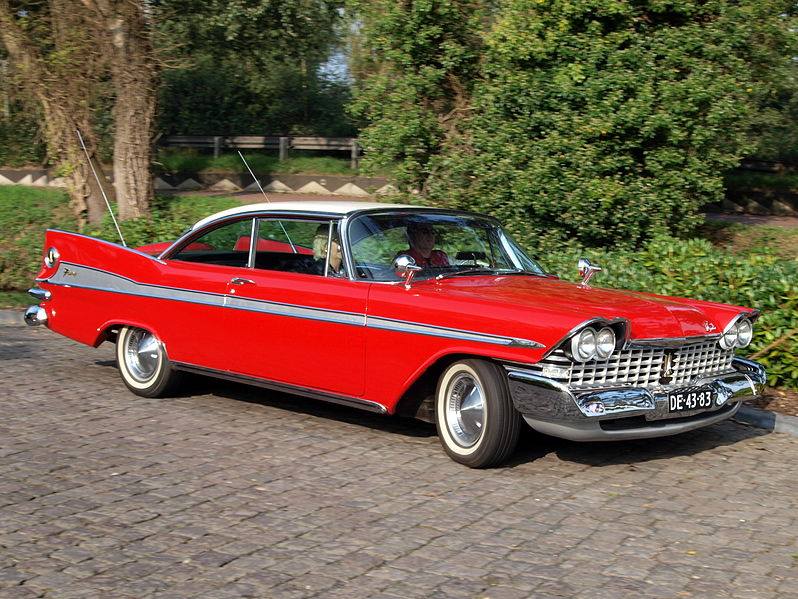
If you want to sell a classic car, the value depends on far more than its age or make. We consider the vehicle’s overall condition, originality, mechanical state, documentation, rarity, and desirability when determining whether it is a car we want to buy and what we are willing to pay.
We purchase classic and antique cars across a wide range of conditions, including certain non-running vehicles and restoration projects. We also buy custom cars, hot rods, restomods, rare automobiles, trucks, motorcycles, and entire collections. Because every vehicle is different, we evaluate the details you provide before determining whether we want to purchase it.
How Do We Determine the Value of a Classic Car?
Classic car values can vary dramatically, even between two vehicles of the same year, make, and model. A highly original example with excellent documentation can have a very different value from a modified vehicle, a partially restored car, or an automobile that has been sitting unused for years.
When we evaluate a vehicle for purchase, we look at the complete picture rather than relying on one characteristic.
Factors that can affect the value include:
- Make and model
- Model year
- Rarity
- Factory specifications
- Overall originality and component grading as according to the industry car condition scale
- Mechanical condition
- Body and paint condition
- Interior condition
- Frame condition
- Quality of previous restoration work
- Presence of original components
- Engine and drivetrain configuration
- Documentation and ownership history
- Desirability among collectors
- Whether the vehicle is complete or missing significant components
- Whether the car is running or non-running
- Whether modifications affect its collector appeal
A vehicle does not necessarily need to be perfect to have significant value. Some rare or desirable automobiles can remain attractive purchases even when they require substantial restoration.
We consider cars in different price ranges and conditions, so an owner should not assume that a vehicle is automatically unsuitable simply because it has defects, needs work, or has been stored for an extended period.
Can I Sell a Classic Car That Is Not Running?
Yes. Under certain circumstances, we buy non-running classic cars. A vehicle does not have to be operational for us to consider it.
A non-running automobile may have value because of its rarity, originality, body, chassis, engine, historical significance, or the combination of components that remain with it. The fact that a car does not currently start or drive is one part of its condition rather than necessarily the deciding factor.
When considering a non-running vehicle, we can look at information such as:
- Why the car does not run
- How long it has been non-operational
- Whether the engine is present
- Whether the transmission is present
- Whether major components are missing
- The condition of the body
- The condition of the frame
- The extent of rust
- Whether the vehicle is substantially complete
- Available photographs and descriptions
We also buy certain vehicles that need restoration. If you have a classic that has been sitting in storage, has deteriorated over time, or requires extensive mechanical or cosmetic work, you can still contact us with its details.

What Does Originality Do to a Classic Car’s Value?
Originality can be an important consideration when we evaluate a collector automobile. However, originality is not simply a matter of whether a vehicle looks old. We look at the individual components and the overall configuration of the car.
Matching numbers, original engine codes, factory equipment, original body components, and other documentation can all provide important information about a vehicle’s history and identity.
For certain highly collectible cars, original components can be particularly significant. An automobile retaining its original engine and other major factory components may appeal to collectors differently than a similar vehicle that has undergone extensive modifications.
Important documentation may include:
- Original vehicle records
- Factory documentation
- Ownership records
- Receipts
- Restoration records
- Information identifying the engine or drivetrain
- Other records associated with the automobile
Documentation does not automatically establish a particular purchase price, and a lack of documentation does not necessarily mean a car has no value. We consider the available information together with the actual vehicle.
Does Rust or Body Damage Reduce the Amount You Can Receive?
Rust, body damage, deterioration, and missing parts can affect what we are willing to pay. The extent of the problem matters, as does its location and the overall condition of the automobile.
Surface deterioration is different from serious structural rust. Damage affecting the frame can be considerably more significant than relatively minor cosmetic imperfections. Likewise, a vehicle with extensive rust throughout the body may require a substantially different evaluation from one with limited corrosion.
When you provide us with information about a vehicle, useful details can include:
- Where rust is located
- Whether rust affects structural areas
- Whether panels are damaged or missing
- Whether the car has previously been repaired
- Whether there is evidence of accident damage
- Whether the interior remains intact
- Whether major mechanical components are present
- Whether the vehicle has been exposed to the elements
We understand that classic cars are not always preserved in ideal conditions. That is why we consider vehicles individually rather than assuming that every car must meet the same condition requirements.
How Does an Appraisal Differ From Our Purchase Offer?
A formal appraisal and a purchase offer are not the same thing. An appraisal generally represents an opinion of a vehicle’s value for a particular purpose. Our purchase offer represents what we are willing to pay for the automobile if we decide to buy it.
That distinction is important for owners who are comparing different types of valuation.
A vehicle can have different values depending on the purpose of the valuation. Insurance, estate planning, auction estimates, private-party transactions, and dealer purchases can involve different considerations.
Our role is different: we buy and sell classic cars. When you contact us about a vehicle, we consider whether it is an automobile we want to purchase and what its characteristics mean to our potential acquisition.
We also welcome questions about a classic car’s value. Owners can contact us to discuss aspects of selling their classic car without an obligation to sell.
Can I Sell a Classic Car As-Is?
Yes, depending on the vehicle. We purchase certain classic cars in virtually every type of condition, including automobiles that need restoration and certain non-running vehicles.
Selling a vehicle as-is means the automobile is being considered in its existing condition rather than after the owner completes additional repairs or restoration. For a classic car, this can be particularly relevant when the cost of bringing the vehicle back to running or show condition is substantial.
If your car has:
- A non-running engine
- Extensive cosmetic deterioration
- Rust
- Missing components
- An unfinished restoration
- Aged mechanical systems
- A damaged interior
- Long-term storage issues
it may still be worth contacting us.
We decide whether a particular vehicle fits our buying interests based on its individual characteristics. We buy cars in various conditions under certain circumstances, including cars needing restoration.
What Types of Classic Cars Do We Consider?
Our buying interests cover a broad selection of classic and rare automobiles. We consider American and European vehicles, as well as other rare and collectible cars, trucks, and motorcycles.
We have purchased and considered vehicles from many well-known manufacturers and marques. That includes numerous makes and models, ranging from American muscle cars and vintage European automobiles to rare luxury cars, sports cars, hot rods, and other collector vehicles.
That means you should not assume your vehicle is outside our interests simply because it is unusual or because it does not fit a traditional definition of a classic.
We also purchase collections and multiples of vehicles, rather than limiting our acquisitions to a single automobile.
How Can I Sell a Classic Car We May Want to Buy?
If you are ready to sell a classic car, you can contact us with information about the vehicle. We can consider the details, photographs, condition, and other relevant information you provide.
We do not require every vehicle to be in pristine condition. There are cars we may want to buy in any condition under certain circumstances, and that owners can contact us to discuss their vehicles.
When describing your car, information about the following can be useful:
- Year
- Make
- Model
- Current condition
- Running or non-running status
- Restoration status
- Major modifications
- Engine information
- Body condition
- Interior condition
- Available documentation
- Location
- Photographs
The more complete the description, the easier it is for us to understand what you have. However, you should not assume that a vehicle has to meet a specific checklist before you contact us.
Does a Custom Build Have the Same Value as an Original Classic?
Not necessarily. Customization can substantially change how a vehicle is evaluated.
We buy custom cars, hot rods, and restomods, so modifications do not automatically disqualify a vehicle. At the same time, modifications can affect a collector automobile differently depending on the vehicle and the nature and quality of the changes.
When considering a modified automobile, we can look at:
- The original vehicle
- The extent of modifications
- The quality of the build
- The engine and drivetrain
- The body modifications
- The interior
- The overall presentation
- The relationship between the modifications and the vehicle’s identity
A custom vehicle should therefore be evaluated as the automobile it is today rather than automatically being valued as though it were still factory-original.
Can I Sell My European Car to You?
Yes. We consider a wide range of European classic and rare automobiles for sale. We offer numerous European marques and models among the vehicles we consider, including Ferrari, Jaguar, Mercedes-Benz, Porsche, Rolls-Royce, Bentley, Aston Martin, Alfa Romeo, BMW, Lamborghini, Maserati, Triumph, Volvo, Volkswagen, and others.
European automobiles can have highly varied values because rarity, model history, originality, configuration, condition, and documentation can differ substantially from one vehicle to another.
If you own a European collector car, provide us with its details and photographs so we can determine whether it fits our buying interests.
What Happens If My Classic Car Is Worth Less Than I Expected?
Classic car values are not determined by age alone. Owners sometimes have a particular figure in mind based on what they paid for the automobile, the money invested in restoration, or what similar vehicles have been advertised for.
Those factors do not necessarily equal the amount a buyer will pay.
For example, restoration expenses do not always increase a vehicle’s value by the same amount as the money spent. Likewise, an advertised asking price is not necessarily the same as a completed sale price.
Our purchase decision is based on the vehicle itself and whether it fits our interests as a buyer and seller of classic cars.
If our valuation does not meet your expectations, there is no obligation to sell. Owners are under no obligation to sell to us, just as we are under no obligation to purchase a particular vehicle.
Can You Buy a Classic Car Without Seeing It in Person?
Under certain circumstances, yes. We do purchase classic cars sight unseen after speaking with the owner and conducting our due diligence.
This can be relevant when the vehicle is located far from our Southern California location. We purchase vehicles throughout the United States, and we also consider certain cars internationally.
A sight-unseen purchase does not mean the vehicle’s condition is irrelevant. The information available about the car remains an important part of our decision.
Can I Sell My Custom Car Even If It Has Been Heavily Modified?
Yes. We buy custom cars and hot rods, including restomods.
A modified automobile can have a different type of collector appeal from an untouched factory example. Its value can depend on the underlying vehicle, the quality and extent of its modifications, its mechanical configuration, and its overall condition.
When you contact us, describe the vehicle as it exists today. Include information about major modifications and provide photographs that accurately show the automobile.
We can then determine whether it is something we want to purchase.
Does Classic Car Consignment Work Differently From Selling Directly?
Yes. We offer classic car consignment for certain vehicles. We consider consigning certain classic cars and asks owners to provide details and images for consideration.
Consignment is different from selling the vehicle directly to us because ownership and the transaction structure are different. Whether a particular vehicle is appropriate for consignment depends on the automobile and our consideration of its details.
If you are considering this option, you can provide us with the information and images we request so we can determine whether the vehicle is appropriate for our consignment service.
How Quickly Can We Purchase a Classic Car?
Depending on the vehicle and its location, we can sometimes complete a purchase very quickly. Purchases can happen as quickly as an hour depending on location, with transactions generally taking place the same day.
The timing depends on the specific circumstances surrounding the vehicle and transaction. A classic car located in another part of the country may involve different logistics from one located closer to us.
We also arrange and pay for transportation after we purchase your classic car and you have received payment in full.
What Happens With the Title and Sale Paperwork?
We are a licensed and bonded California dealership, and our title department handles the required legal paperwork for transferring ownership from the seller to us.
Proper title transfer is an important part of completing a classic car sale. The paperwork establishes the change in ownership and helps ensure that the transaction is handled properly.
We also have a payment process in which sellers receive full payment before releasing the vehicle and title. Payment can be made in person or by cashier’s check or bank wire transfer, with the seller retaining the vehicle and title until funds have cleared.
What Should I Do If I Want to Sell a Classic Car in Any Condition?
If you want to sell a classic car that is running, non-running, restored, unrestored, customized, rare, or otherwise unusual, contact us with the vehicle’s details and photographs.
We consider a broad range of classic and collectible automobiles, and condition alone does not automatically eliminate a vehicle from consideration. We buy individual cars as well as whole collections, and we consider vehicles across different price ranges.
Whether your automobile has matching numbers, factory documentation, extensive modifications, rust, body damage, or restoration needs, those characteristics are part of the overall picture we evaluate.
Our service is built around buying and selling classic cars, so the most direct way to determine whether we are interested in your automobile is to provide us with its information. From American classics to European collectibles, custom cars, hot rods, restomods, and rare vehicles, we can determine whether your automobile fits our current buying interests.